


In the capital alone, there are already dozens of initiatives operating online—from pedestrian groups on Telegram to media activists on Instagram. This is normal: online activism is experiencing a boom worldwide.
What’s paradoxical is something else. In Tashkent, you can literally count on one hand the physical spaces where civic activities independent of the state take place. Small NGOs and unregistered initiatives don’t have their own offices or spaces for offline events. The closer an organization is to state institutions or conformist art, the better its situation regarding access to space.
Why is this the case?
We tried to understand this together with Timur Karpov, founder of the 139 Documentary Center—an independent gallery and public space. Since 2019, the gallery has changed locations twice, moving from the Champagne Factory district closer to the center, to Shevchenko Street. And as of 2024, the gallery no longer has a space.
In an interview, Timur spoke about his mistakes and the industry’s challenges, shared details about the situation with “Artdocfest,” support for Ukraine, and the administrative case that has been filed, and—perhaps for the first time—spoke generally about the reasons for the closure. We reflected on the positive things that had already taken place within the gallery’s walls—and on what lies ahead for it.
Finding a venue for a gallery: where, how and how much
Finding a venue for a gallery:
where, how and how much
The 139 Documentary Center team began looking for a space in 2019. Commercial real estate prices were much lower back then—this was Tashkent before the construction boom, with plenty of options available in older buildings.
At first, the team was looking for something small—literally 50–60 square meters. They searched on OLX and through friends and acquaintances, but they ultimately found what they were looking for by exploring on foot: they would choose a neighborhood they liked and then leisurely walk around it or drive through it.
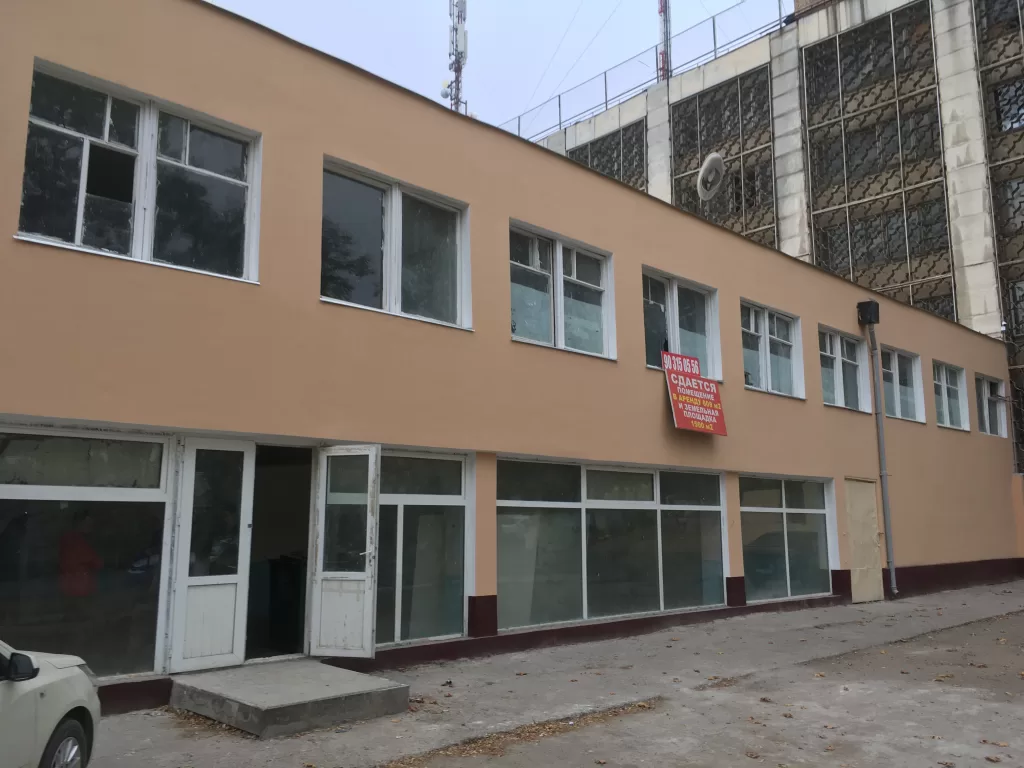
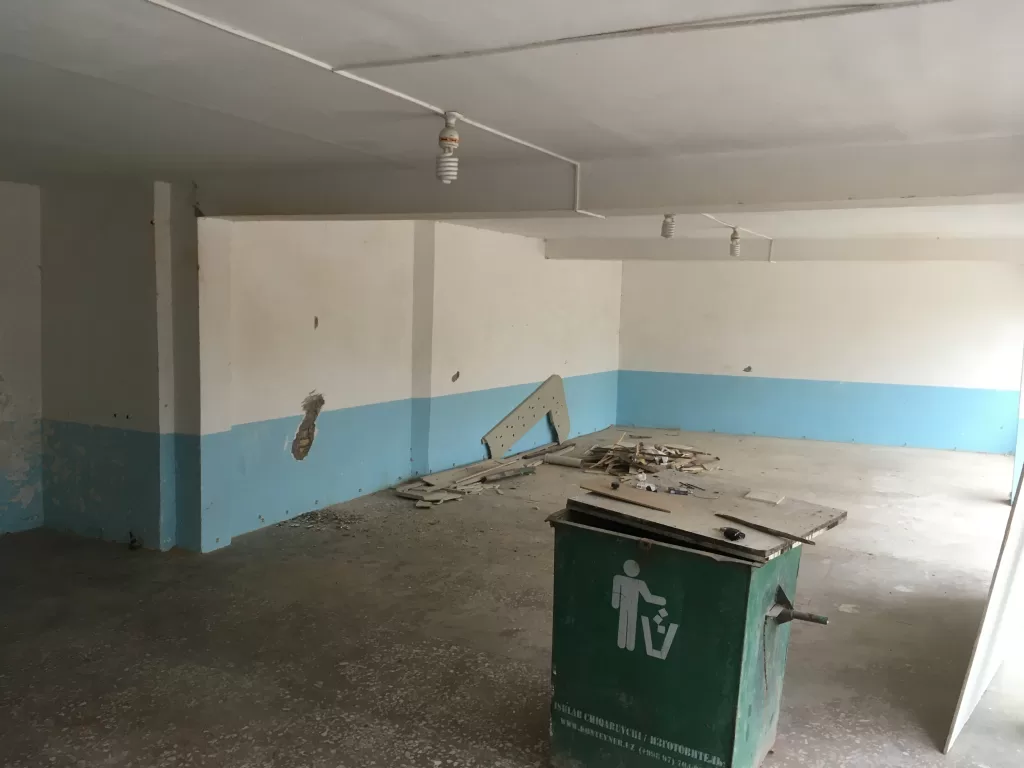
“A friend and I found our space at the Agromash factory. We were near the Champagne Factory and wondered what was actually down the road. After 70 meters, we saw that very space and a ‘For Rent’ banner,” says Karpov.
According to him, after three months of searching—or exploring the city—it was immediately clear that this was the perfect fit.
How an Old Workshop
Was Converted
into a Gallery
How an Old Workshop Was Converted into a Gallery
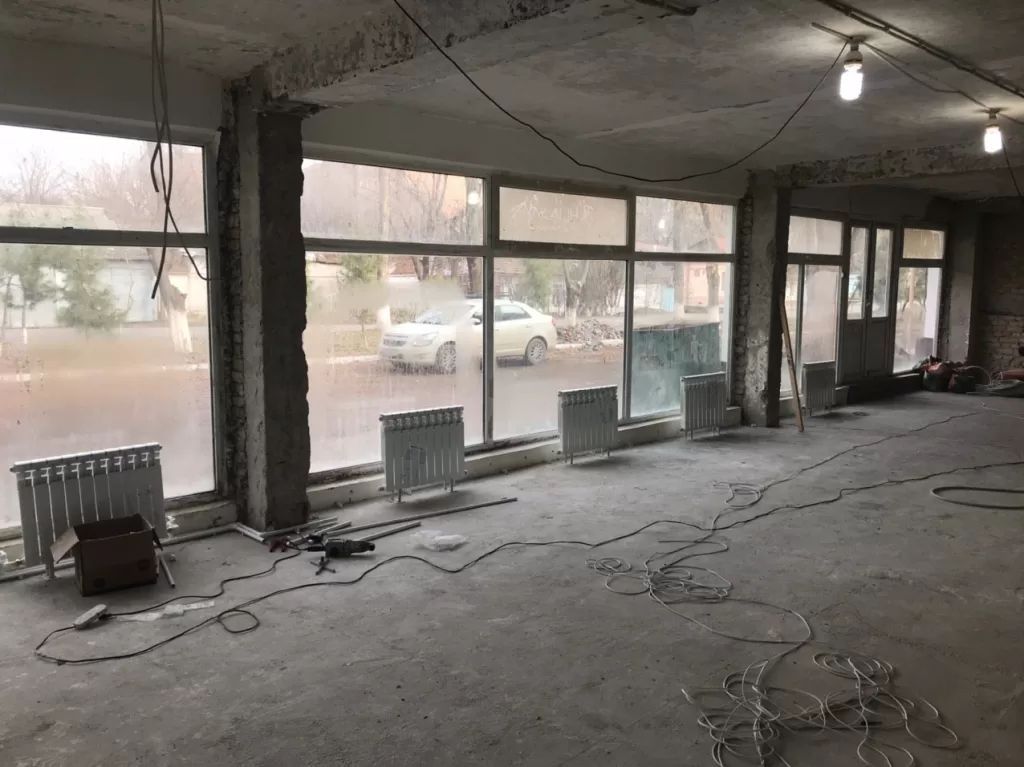
The space was in disrepair: a former factory floor, a mountain of manufacturing waste, and outdated utilities that had to be completely redone from scratch. The rent was around $2 per square foot, so we were able to take over the entire space.
“But to be honest, with the budget we had at the time, we couldn’t really afford it and were taking a risk,” says the founder.
The word “risk” comes up frequently in Timur’s story. He asks that we emphasize that when you’re involved in activist, non-conformist activities—or if you’re operating within the framework of cultural entrepreneurship—all of this carries political, reputational, and financial risks that are, for the most part, not understood by the public or the government.
The renovation of the gallery was also a risky venture involving significant investment.
“I was irrational, and all my actions were purely irrational. Folly and courage—I’m chasing my dream. People who understood the market, the workings of business, and the everyday reality of Uzbekistan far better than I did all said in unison that I was crazy,” Karpov admits.
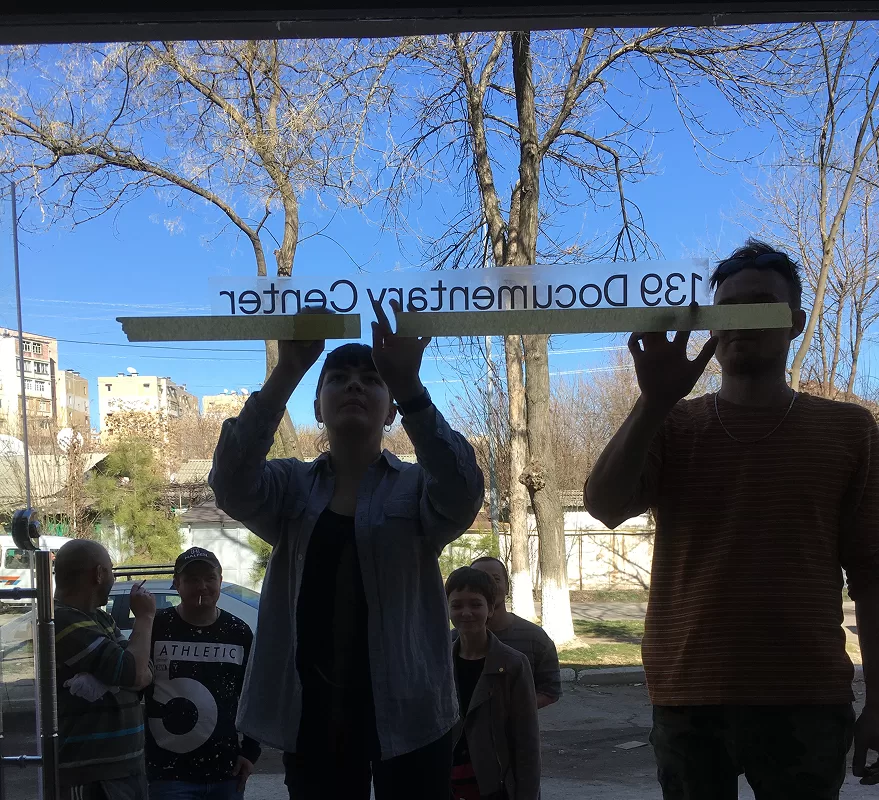
Now, nearly seven years later, he admits that he wouldn’t invest in a major renovation of someone else’s space again. But back then, he wanted to make everything look beautiful. “It’s a factory, an old building, with problems with the utilities—but you have a public space where you invite people, and there are SanPiN regulations to follow, after all,” he says.
After replacing the electrical system, they started working on other utilities; one thing led to another—and in the end, the minor repairs practically never stopped.
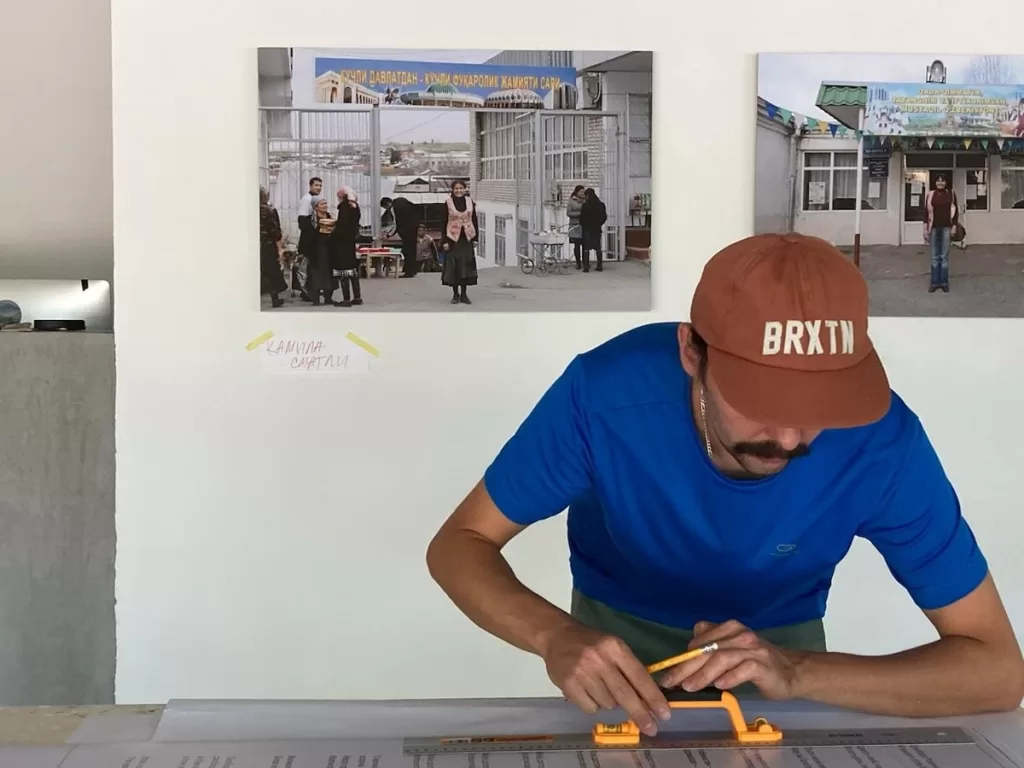
For the design of the new space, we decided to embrace Brutalism to create a sense of simplicity, ease, and “zero effort.”
In addition to references from abroad, the visual design of the gallery was partly inspired by the interiors of the Kanishka and Zerlump stores. The vision of Alexey, the founder of these stores, helped the gallery team and gave them confidence that “it can be done this way in Uzbekistan, too.”
Back then, there weren’t even five locations across the country with a similar aesthetic—now it has become a trend.
For example, for the exhibition “Sarpa” the wall was painted pink, and for the exhibition “Gaping Voids,” the plaster was chipped off the walls.
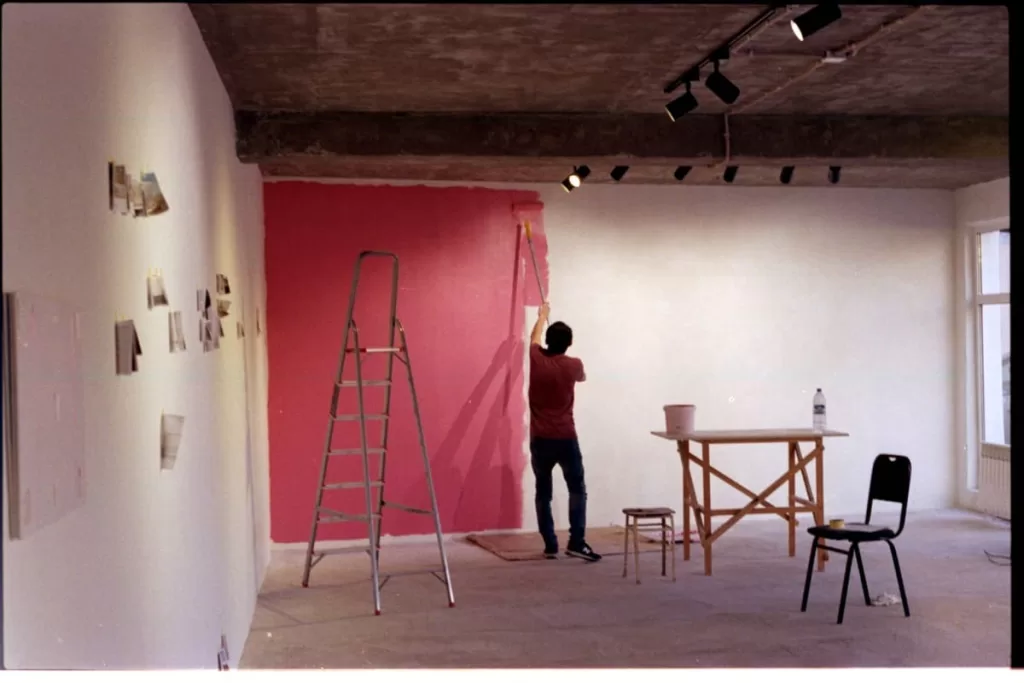
“Usually, galleries don’t allow drilling into the walls, but for us, that was absolutely essential. The same went for drilling into the ceiling, hanging things from it, building installations, and rewiring the electricity,” recalls the founder.
According to him, the community the gallery works with won’t feel a sense of belonging to the space if it doesn’t have the opportunity to make cuts in the walls there.
The area was home to all kinds of people
(though most of them
didn’t have any money)
The area was home to all kinds of people (though most of them didn’t have any money)
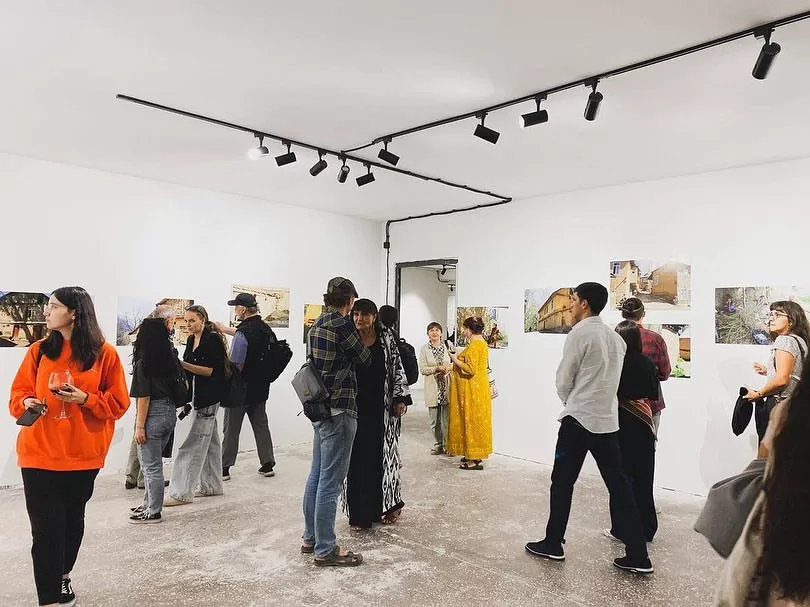
The gallery’s audience was a diverse group. “City dwellers of all ages and genders in search of alternative or critical knowledge and practices,” Timur attempts to summarize. The doors were always open specifically to activists.
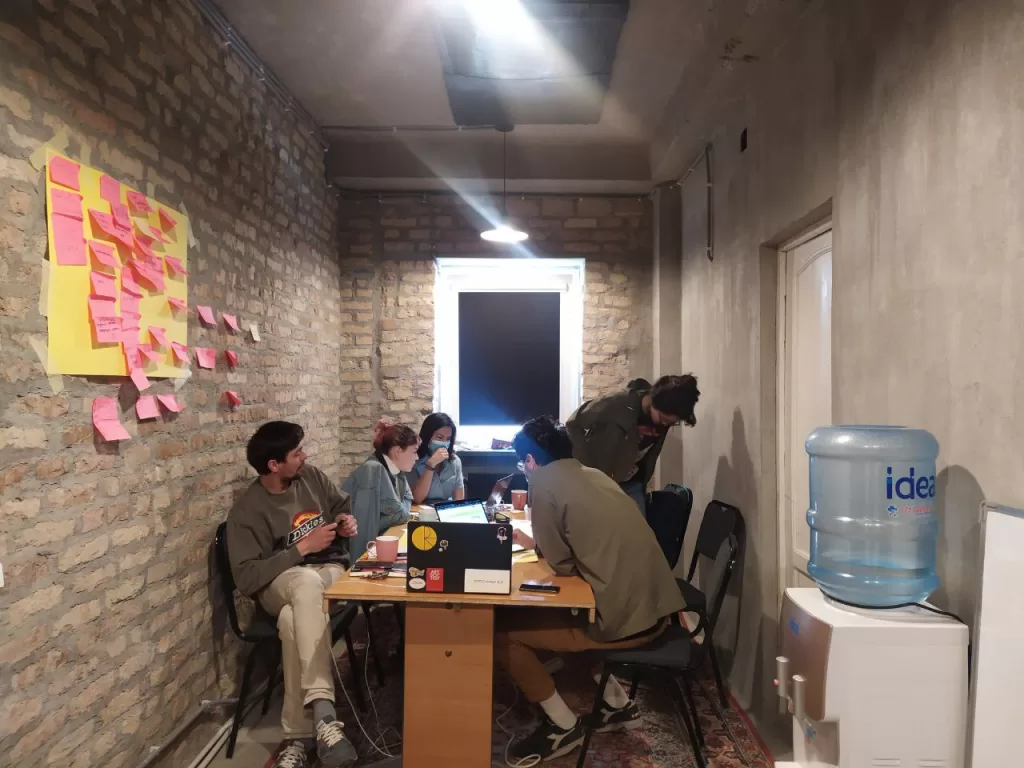
Many grassroots initiatives held their events or worked on projects within the gallery space. These included, for example, moc, Sarpa, Qizlar, NeMolchi.uz, «Ташкент — СНОС», Hook Report, SoKo-Fest, Ayt Community, Self Safe, the music collective DSL, and other organizations and activists working on environmental issues, animal protection, human rights, and media.
There was a photo lab here where people could develop film if they wanted to.
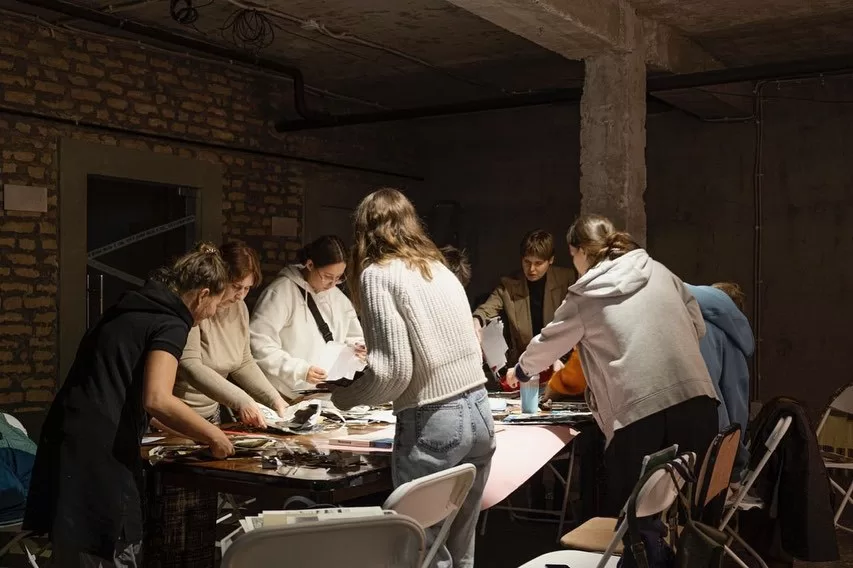
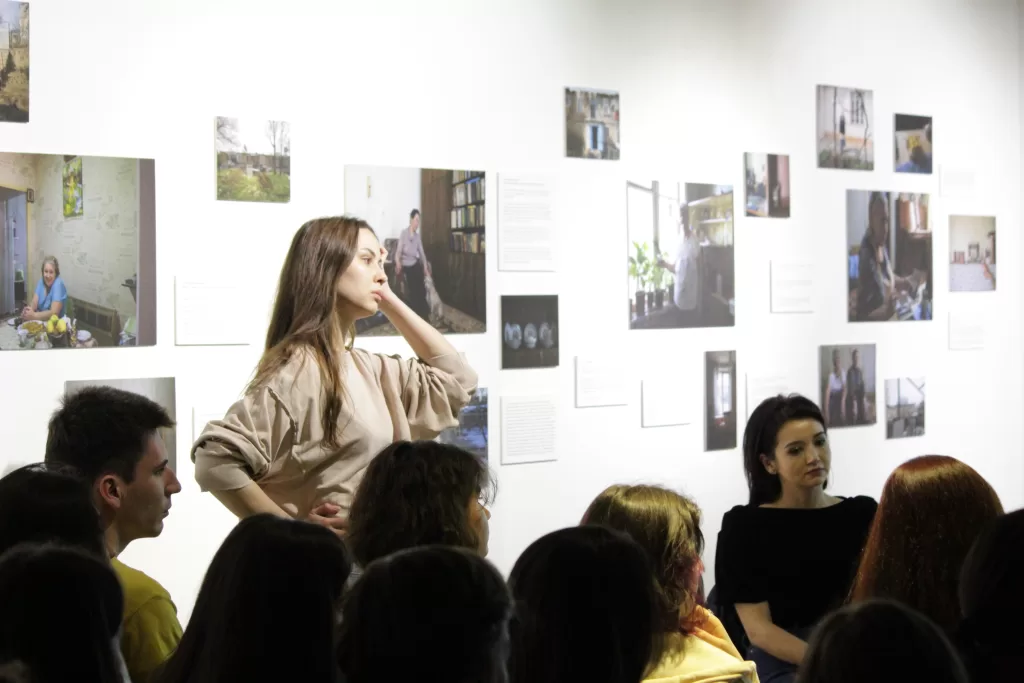
Nonprofit projects that didn’t have their own space in the gallery were given one for free, and the space shared its projector and chairs with them. That was one of the space’s goals. “Because there were—and still are—no places in the city where you can hold your activist events peacefully and safely, for free or very cheaply,” recalls Timur Karpov.
If an organization had money, they chose for themselves how much to pay. Sometimes the amounts were large, sometimes small. He adds: “This approach is actually what led to the debts in the first place—the majority of our work was focused on providing free services rather than commercial ones.”
Festivals and open-air concerts in the parking lot
Festivals and open-air concerts in the parking lot
Yes, the gallery was quite far from the city center, and, according to the team, visitors constantly complained about it. But everything else was perfect. The large parking lot was constantly transformed into a venue for fairs and concerts: these included events like moc fest, WE COSMOS, and Yangia Market.
Open-air events at industrial sites have been held all over the world for a long time, but this trend didn’t reach Tashkent until 2020, when it became a new phenomenon. “True, it was limited to a small group of enthusiasts,” adds Timur.
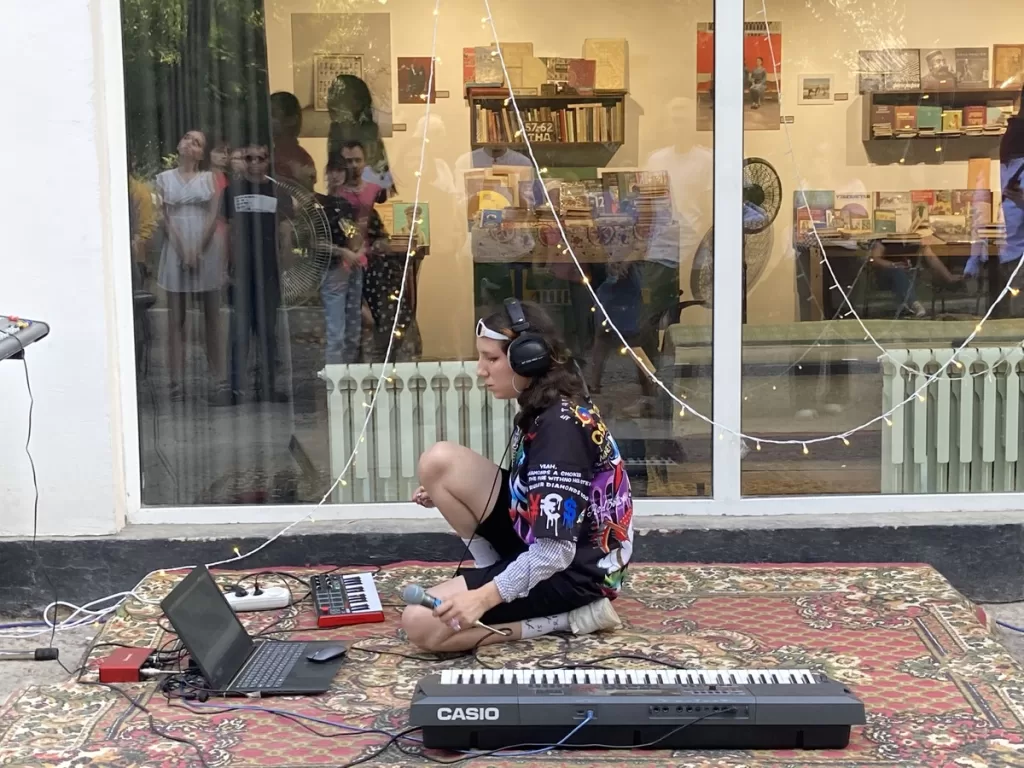
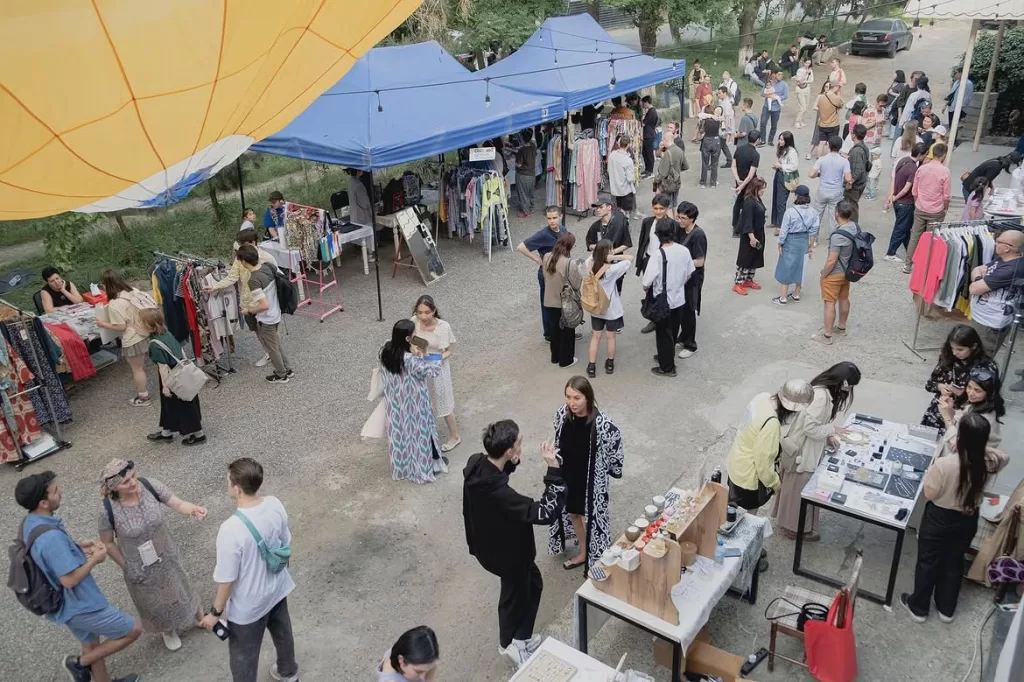
The graffiti festival was a major event at the time. In a city of three million people, the facade of this former factory was the only place where people could freely paint on the walls with spray cans without censorship.
And although the gallery at 210 Sultanalı Mashhadiy Street no longer exists, the graffiti is still there: commercials, music videos, and movie scenes have been filmed against its backdrop.
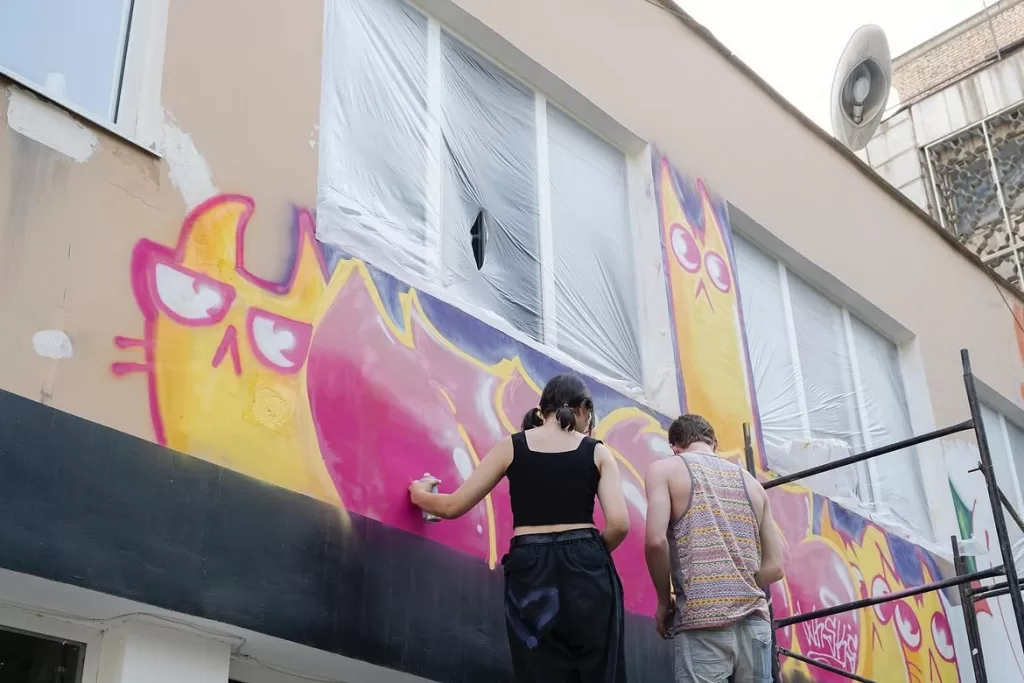
Администрация завода и арендодатель не были против такой активности. «Хочется поблагодарить Азамата Исмаиловича и «Агрохиммаш» за то, что он нас поддерживал, защищал и терпел», — говорит Карпов. Он на своем опыте вывел формулу: если не повезло с владельцем помещения — не повезло по жизни.
Первое столкновение
с властями: Free Gaza,
Free Palestine
First Clash with the Authorities: Free Gaza, Free Palestine
Right up until the gallery’s last day of operation, the guys there “did nothing but test the limits of what was allowed.”
According to Timur, in Uzbekistan, the rules of the game are either unclear or change frequently. “The only thing that was true during the Karimov era and remains true today is that, overall, it’s safer not to get involved in anything, not to organize anything, and to live in a state of constant fear,” he says.
One instance of an unpleasant encounter with the authorities involved graffiti. One night, when no one from the gallery’s team was at the site, the words “Free Palestine, Free Gaza” were added to a graffiti piece featuring a portrait of Tupac, and the image was posted on social media.
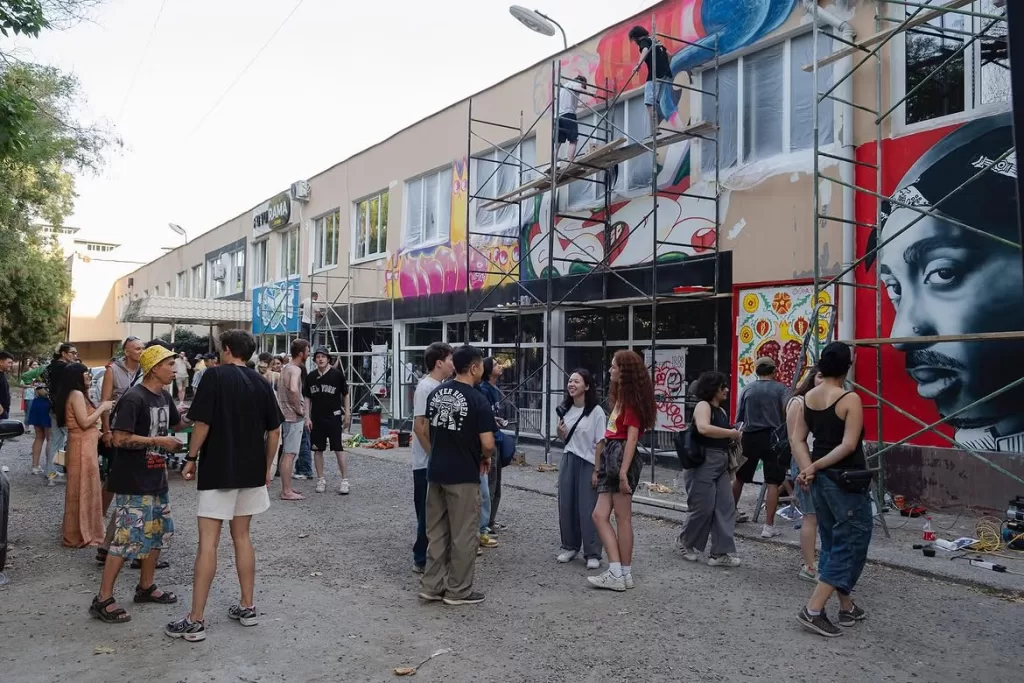
The post went viral online, and by morning, the building’s owner, the district director, the prosecutor’s office, the State Security Service, the local government, and the precinct police officer had all gathered at the graffiti site. “There were crowds of people; everyone came to look and tried to accuse me of writing it—that’s the first thing officials do.”
“That said, prior to the ‘Artdocfest’ situation—for which Vitaly Mansky is to blame, I’ll emphasize that—we hadn’t had any direct clashes with the authorities,” — the founder states.
Even with their “dangerous” stances on Ukraine and their charitable events, the gallery, according to its founders, received tacit support and faced no obstacles; security was sometimes informally provided.
The Administrative Case
Following“Ardokfest,” the Fine,
and the Supreme Court
The Administrative Case Following “Ardokfest,” the Fine, and the Supreme Court
The first two editions of the “Artdocfest” independent documentary film festival at the gallery went off without a hitch.
By the time of the third festival, a criminal case had been opened against the festival’s founder, Vitaly Mansky, in Russia—in part because of his outspoken stance on Ukraine. Given his previous works, such as the documentary «Putin’s Witnesses», he had effectively become a personal enemy of the Russian president.
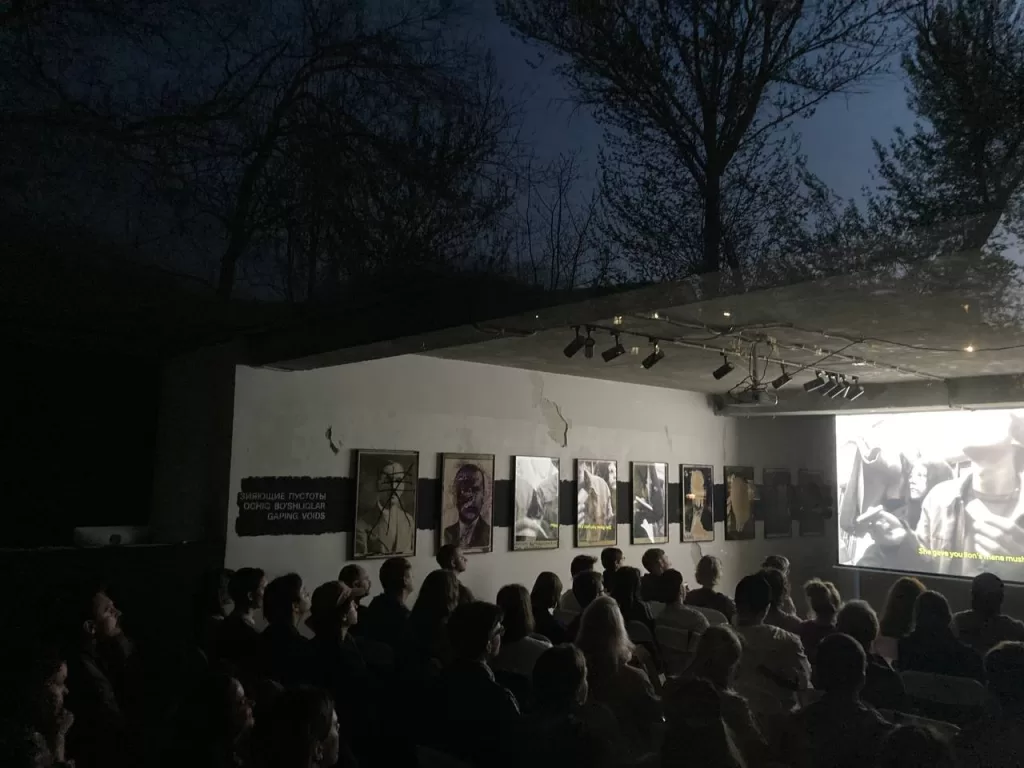
At one of the screenings during the 2024 Artdocfest festival, a local police officer showed up and ordered them to wrap things up, claiming that the organizers were allegedly breaking the law. Legally, the team wasn’t prepared for this and decided to stop the screening and avoid a confrontation.
Later, they resumed screening films after discovering that they were not, in fact, breaking the law.
The grounds for halting the screenings were unclear: the team was shown letters from the Ministry of Culture and the city’s Department of Internal Affairs.
“One of the investigators who came to shut down the screening was careless enough to show us a letter from the Russian Embassy listing the films, including some from Central Asia that weren’t even Russian.” The gallery was not provided with copies of the letter.
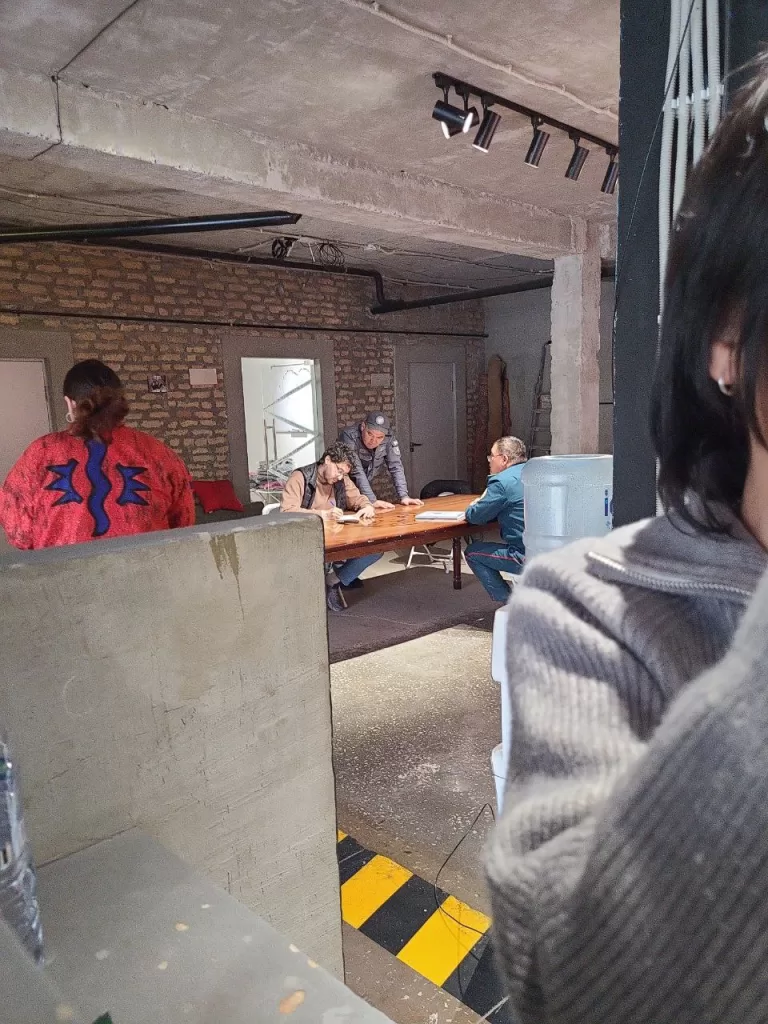
Karpov says he spent many hours at the local police station. Eventually, he was deceived and, under a false pretext, taken to the district court, where his case was already being heard.
At the district court, he was found guilty of violating the Rules for Conducting Mass Events and ordered to pay a fine of 14 base calculation units under Article 165 of the Code of Administrative Offenses. One of the provisions of that article concerns violations of legislation on licensing, permitting, and notification procedures.
The City Court acknowledged that the film screenings were not mass events and did not require prior notification; however, it upheld the ruling under Article 165 of the Code of Administrative Offenses on the new grounds of “failure to notify the Cultural Heritage Agency of activities involving the realization of cultural property.”
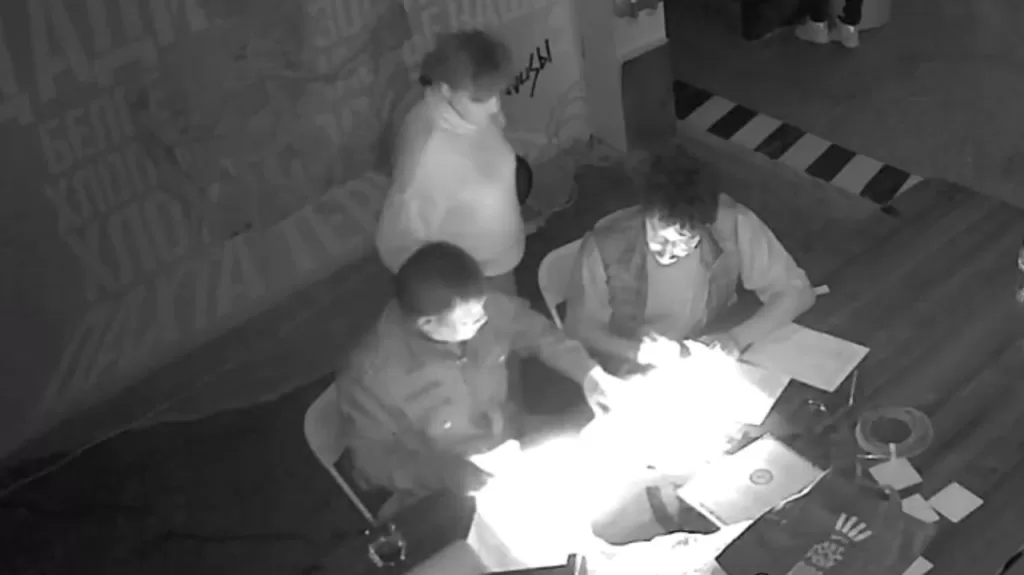
The defense filed an appeal with the Supreme Court, pointing out, among other things, that as of March 2024, a license is no longer required for such activities—the licensing requirement had been abolished by a presidential decree before the festival even began.
Not to mention that the content of this article has absolutely nothing to do with the activities at the festival,
According to the defendant himself, the whole thing has turned into a legal farce in which the facts of the investigation’s misconduct were ignored, and in her ruling, Supreme Court Justice Elsa Shamsutdinova stated in front of the audience that this punishment was intended “to serve as a deterrent to everyone.”
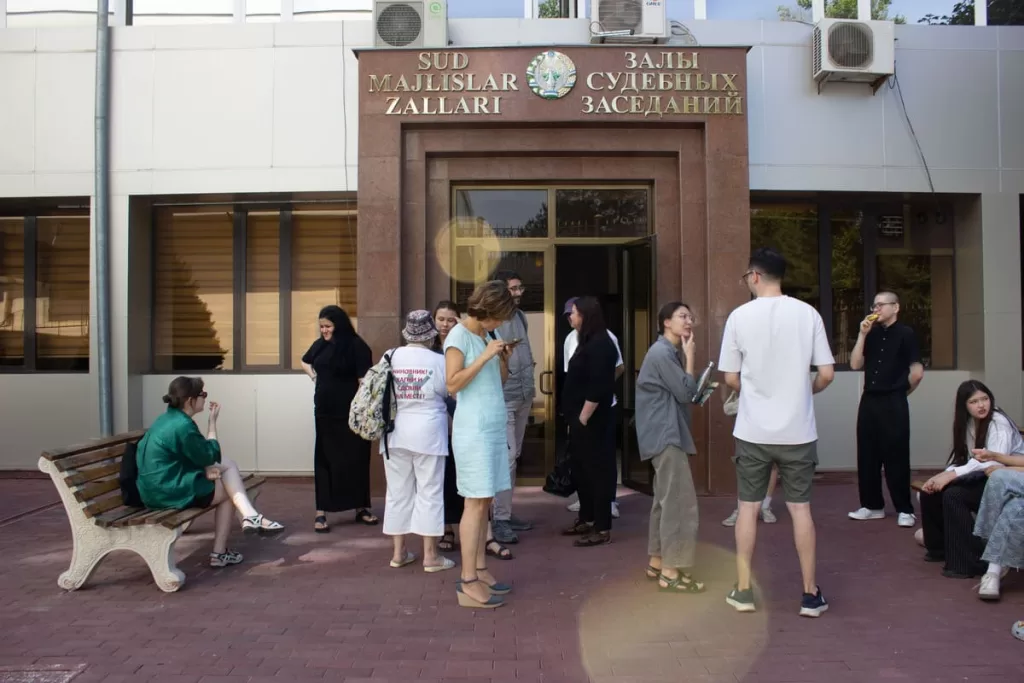
Based on the letters from the embassy that were presented to him and his assessment of the political situation, Karpov believes that these problems are directly linked to Mansky, Uzbekistan’s close ties with Russia, the Russian Embassy’s reaction in 2024, and the Uzbek authorities’ response to that reaction.
At the same time, no support came from “Artdocfest.” “It’s not a poor organization; they have enormous support. On top of everything else, Vitaly Mansky himself is a wealthy man. But for the gallery, it was more of an unpleasant experience of exploitation, and for some reason we agreed to such unfavorable terms out of our love for independent cinema.”
After the administrative case, Vitaly Mansky stated that they did not have the funds to help pay the fine or hire a lawyer.
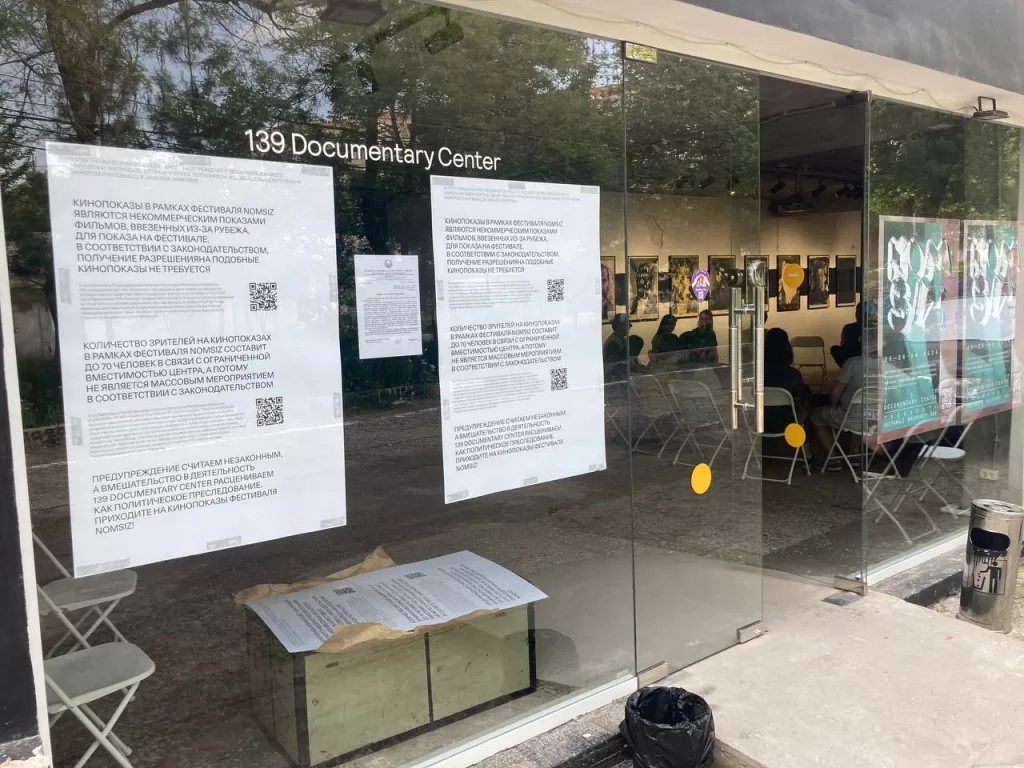
Immediately after the Artdocfest festival, the gallery held its own festival, NOMSIZ, which was also attended by police officers. The team had posted a statement on the gallery’s windows in advance, including excerpts from the law: it specified the legal grounds on which the festival would be held, accompanied by a copy of the order from law enforcement authorities.
After that, the remaining NOMSIZ screenings went off without a hitch—Karpov believes this was because the films shown had no connection whatsoever to Russia.
How the gallery made money
How the gallery made money
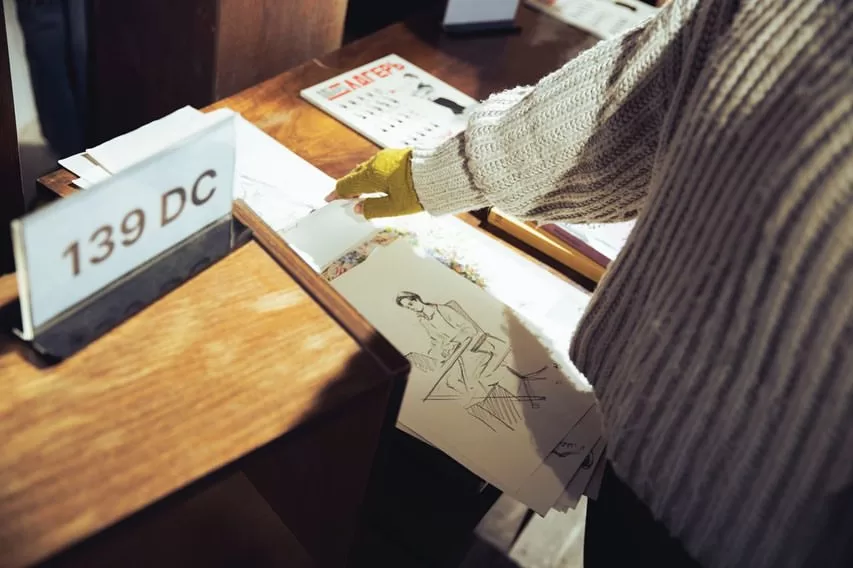
In general, the gallery has consistently sought to experiment with business and sustainability. It all started with a record store—at the time, it was the only place of its kind in the city. They also sold merchandise and prints there.
Occasional commercial projects affiliated with the 139 Documentary Center brought in the bulk of the revenue. According to the team, there were grants for cultural institutions—small amounts, since the foundations’ policies do not allow grant funds to be used to cover all expenses anyway.
Another portion of the income came from donations, money from subleasing space, and commercial and sponsored events.
139 Documentary Center collaborated with registered nonprofit organizations: Alliance française, the British Council, the Delegation of the European Union, the Swiss Agency for Development and Cooperation, and the Goethe-Institut. This also generated revenue and allowed the center to avoid partnering with corporations, charging admission, and accepting government funding—thereby enabling it to remain independent.
In 2023, an opportunity arose to lease additional space on the second floor in order to expand, rent out that space for commercial use, and finally start generating a steady income.
“We didn’t have a safety net—neither did our partners. In the end, things didn’t go as planned, so we decided to cut costs: we’d sublet the first floor for a restaurant, and in the meantime, move the entire gallery to the second floor.”
The idea was that the gallery would sustain itself by subleasing other spaces and driving traffic to them. The main such space was IshPish—a coworking and event space that became famous for a concert by the legendary Detroit DJ Stingray 313.
The restaurant failed to prove sustainable and closed. After two exhibitions, the gallery returned to the first floor. Following that, the space hosted several more events and the final exhibition, “Gaping Voids,” dedicated to the victims of political repression and the reflection on historical memory.
Start of Construction at “Agromash”
and the Threat of Demolition
Start of Construction at “Agromash” and the Threat of Demolition
In 2023, Binar Group and their Qadriyat residential complex purchased the land on the factory grounds, demolished several workshops and a warehouse—and they did it quickly. They began excavating the foundation pit, and 139 DC was next in line.
“We didn’t understand anything at the time; the planning horizon was literally just a few months, so we decided to move,” Timur explains.
Then, in 2024, construction unexpectedly came to a halt for a full two years. In 2026, the gallery’s old building still stands in its place, even though construction of the residential complex behind it has resumed with renewed vigor.
The gallery’s founder is convinced that this uncertainty and anxiety about their physical space often plague small and medium-sized businesses.
“In this city, hardly anyone will sign a long-term lease with a small business; at most, they’ll provide a letter of guarantee stating that the lease will be renewed. Small organizations don’t have the money to go to court, no safety net, and no guarantees that tomorrow the building owner won’t refuse to renew the contract, sell the premises, or have them demolished,” he notes.
Debts, fundraising, moving
Debts, fundraising, moving
By early 2024, the gallery was facing not only the threat of demolition but also massive debts.
The debts had been piling up from the very beginning. “Because, whether you like it or not, when you’re doing all this work, you never have enough money for anything; you constantly have to find additional sources of funding, take out loans, and leave bills unpaid,” says Timur Karpov.
At some point, the landlord’s patience ran out. Demolition was already underway on the factory grounds, and he and his business were losing other spaces.
The message was clear: if the gallery didn’t pay the rent, the space would be put to another use. Power outages began, uncertainty about the demolition set in, and the team decided to move out.
A fundraising campaign at the time helped keep the gallery open, and the proceeds were enough to pay off all its debts.
“Several public figures helped, and there were many large anonymous donations from within the country from people who did not reveal their names—we are very grateful to them,” say representatives of 139 DC. Many donations came from abroad, particularly from Germany.
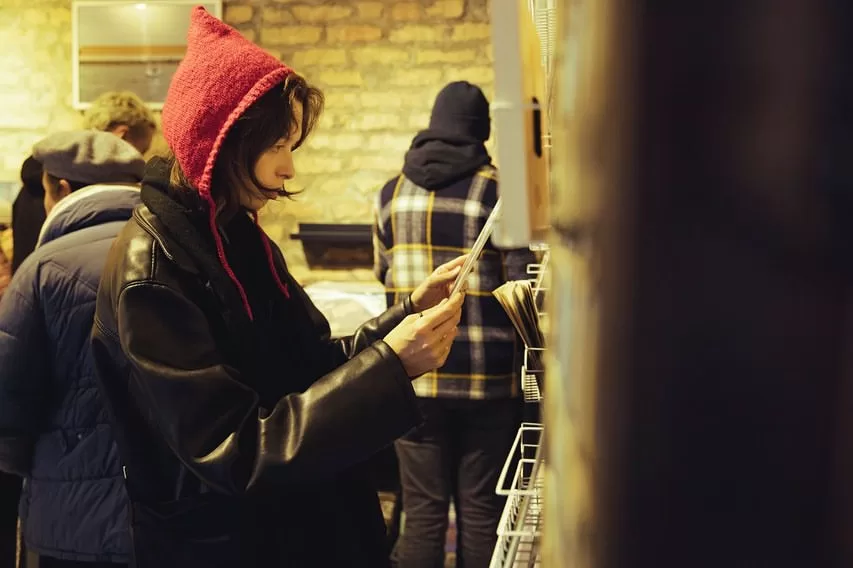
Deciding to move wasn’t easy for one more reason. The gallery has a huge warehouse, a library, artifacts from exhibitions, prints, artworks, and equipment—and all of that requires storage space.
When moving, they had to do something about this—and they did, by organizing a yard sale of their belongings, which also helped raise money for the new space. Part of the storage remained in the same place. Some items were spread out among various locations, sent to storage, or returned to the artists.
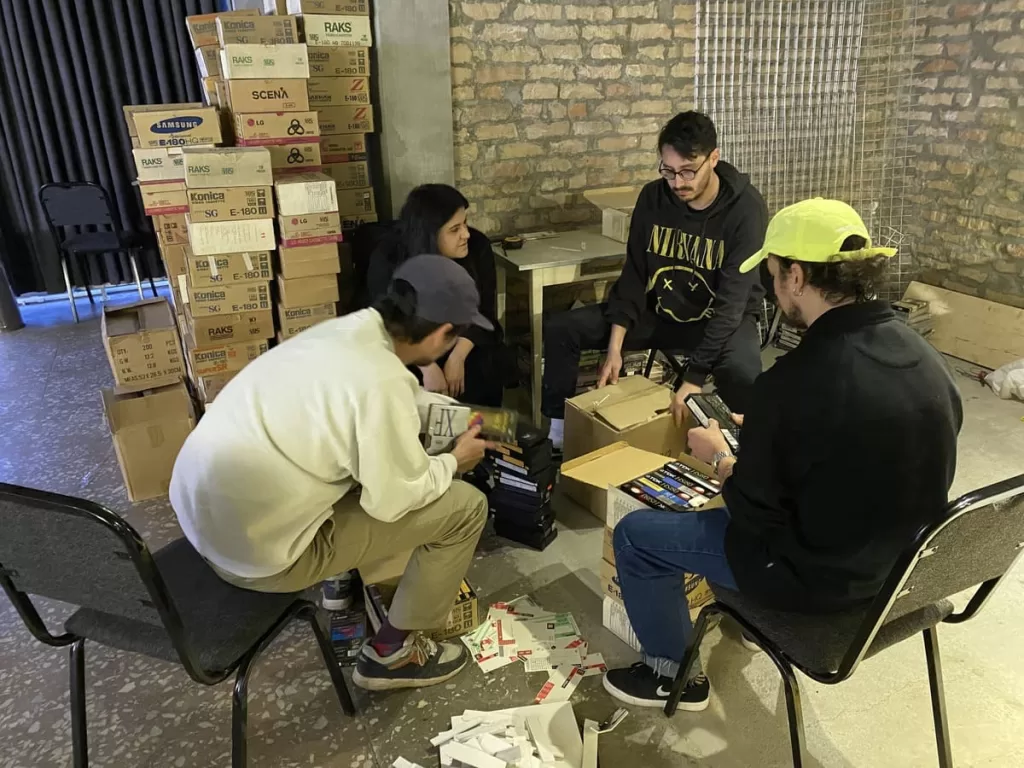
This was a farewell to the space and its five-year history—a space that weathered the pandemic, a space that hosted 30 exhibitions and nearly five hundred public events.
Old Problems
in a New Location:
A Brief History
of the Site on Shevchenko Street
Old Problems in a New Location:
A Brief History of the Site on Shevchenko Street
After the old space closed, everyone was overcome with despair and lost all motivation. Nobody had the energy to look for something new.
“The second space came about thanks to the community’s support: some found a venue, others asked about opening it, and shared kind words both publicly and privately. As for me, from 2024 to 2026, I was on antidepressants and undergoing an intensive course of psychotherapy. There’s no guarantee against this. If it weren’t for my family and friends, I wouldn’t have made it,” says Timur.
We found a new space on Shevchenko Street. We were lucky that we hardly had to spend anything on renovations. Unfortunately, we were only able to hold two exhibitions there.
The exhibition for February 24 was organized with the support of the Ukrainian and EU embassies. The gallery claims that they obtained all the necessary permits for it, and everything was conducted at the “official” level: representatives of the government and embassies were present at the opening.
The landlord, who was a deeply religious man, was told that the organization “supports the LGBT community.”
“They told him that illegal activities were taking place here. We were open to letting them review all our security camera footage—which was recorded daily—to check it out, spend time with us, and see for themselves what was going on. But he wasn’t interested in any of that and didn’t think it was necessary.”
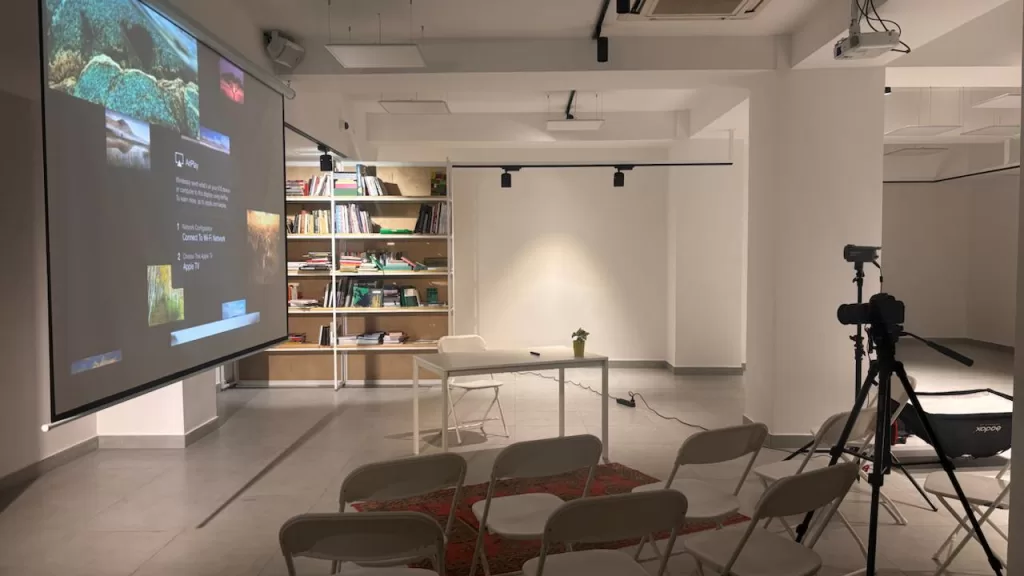
A couple of weeks later, the landlord relented. The gallery was allowed to stay for a few more months, until the end of the lease. It was made clear that the lease would not be renewed.
“We closed down, but we didn’t say anything about it. We were fed up. We’d lost our space twice in a year. You’re depressed; it was all too hard. It was impossible to muster the emotional strength to say, ‘That’s it, we’re closing.’
We didn’t want to believe it ourselves. We didn’t want to make a big deal out of it; we didn’t want to come across as a problem,” Timur admits with difficulty.
This happened in early 2025.
For now, the gallery can only afford
a small room, but it still plans to reopen
For now, the gallery can only afford a small room, but it still plans to reopen
After a string of setbacks, everyone at 139 Documentary Center needed a break.
According to the founder, work essentially continued as usual in terms of seeking out opportunities, planning, holding consultations, and supporting the community. “Basically, we kept doing much of what we’d been doing before, only now without an physical space.”
This included, for example, participating in discussions on the creative economy bill, hosting pop art events, and organizing exhibitions at Bonum Factum and the Ilkhom Theater—though not under the 139 label.
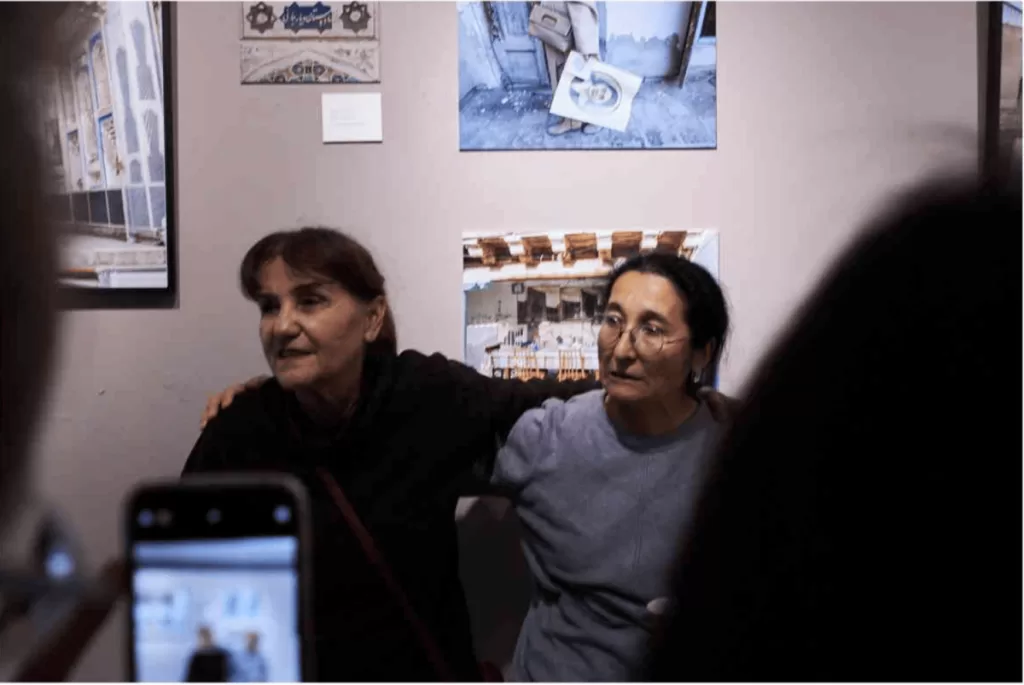
However, a year later, Timur Karpov realizes that they can’t move forward without their own space.
“But the rental market isn’t what it was seven years ago, and it’s literally impossible to operate in the same way. Everything has gotten more expensive. Given our approach, the most we can afford right now is a 20-square-meter space,” he calculates.
The team members continue to look for opportunities and options to engage in commercial and community activities. Soon, a website will finally go live and the archive will be published — so that nothing that happened will be forgotten.
People should get together, cry,
laugh, eat, drink, and dance together
People should get together, cry, laugh, eat, drink, and dance together
The problem with everything that happens online is the lack of face-to-face interaction. It’s harder to introduce people who don’t know each other and build connections; it’s almost impossible to build trust within a community without physical contact.
At least, that’s what they say at the gallery. For something truly great to happen, people need to meet, discuss, cry, eat, drink, and dance—and without that, the online world won’t be of much help.
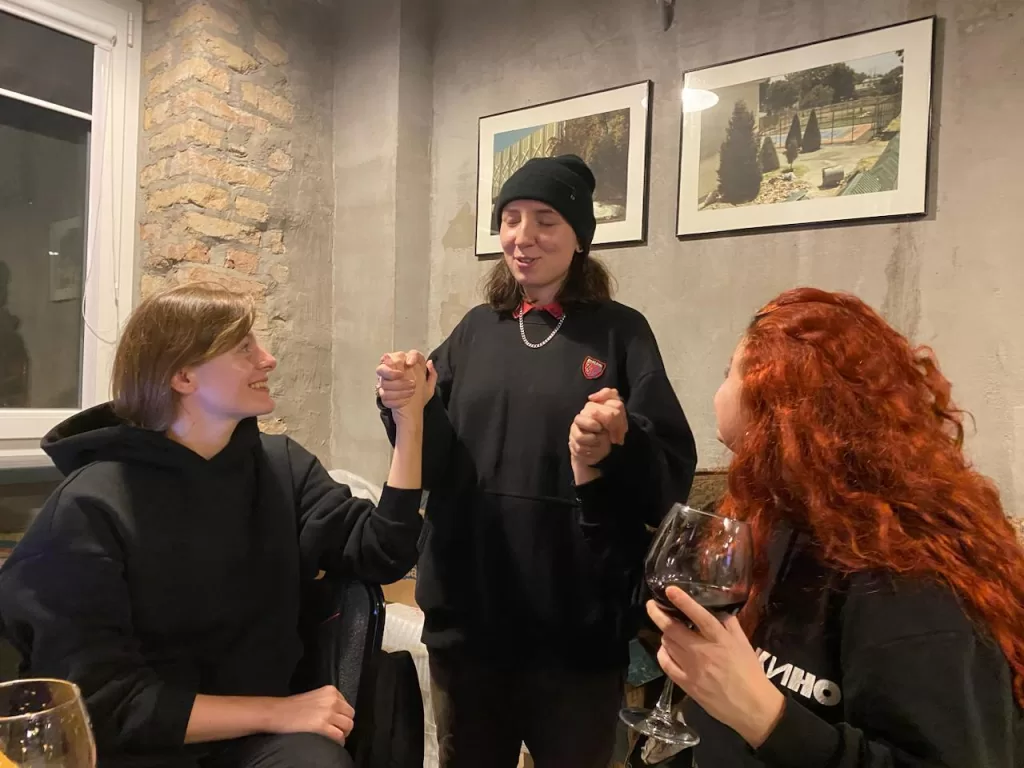
“What has always been a dream—one born out of the inaccessibility and absence of such a space—remains just that: a dream. Because it’s still not there,” says the founder of the 139 Documentary Center gallery at the end of our interview.
And he adds: “The difference is that at least there was an attempt”.